
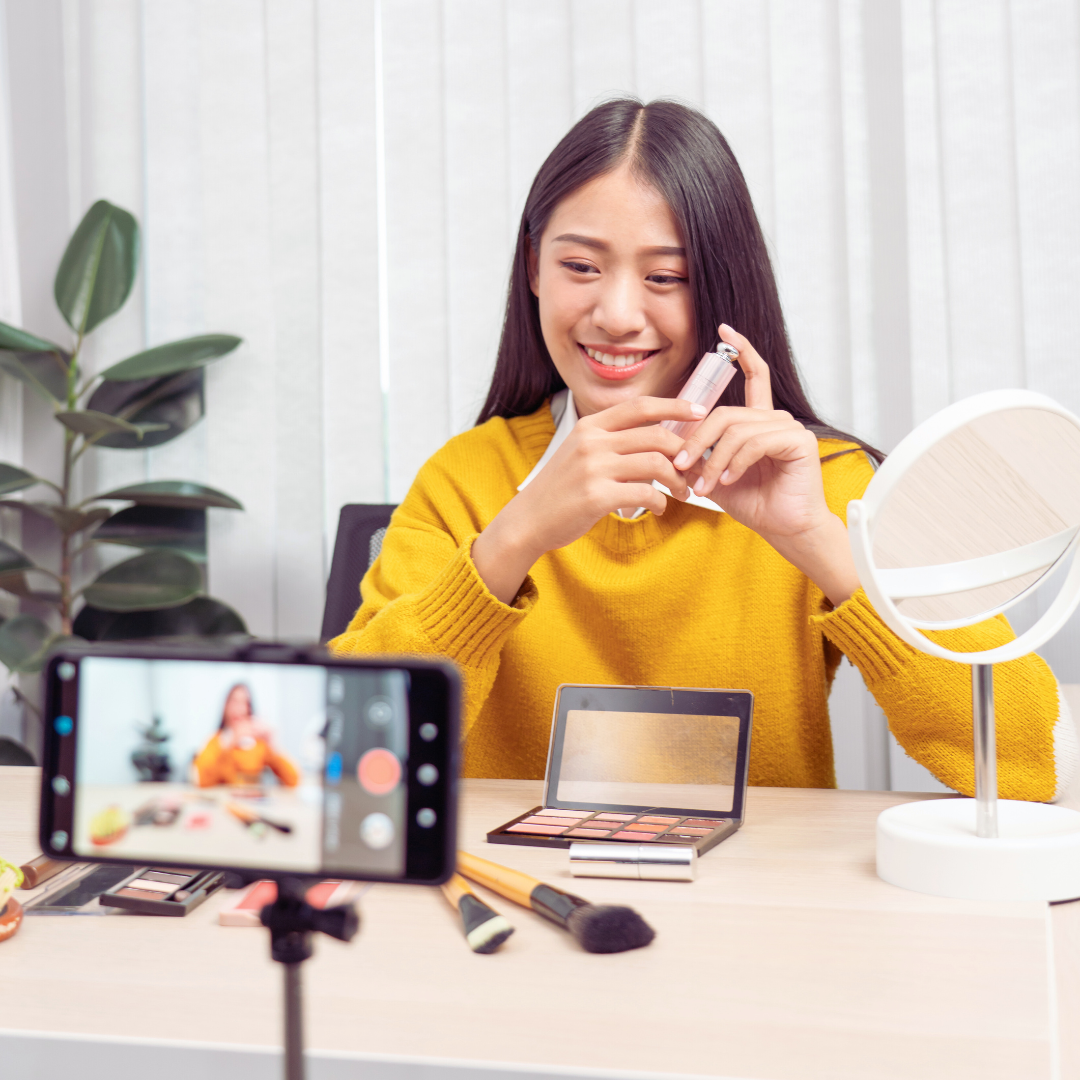
Small businesses often struggle to compete with larger brands due to limited marketing budgets and reach. Micro-influencers, who have smaller but highly engaged audiences, provide an effective solution by connecting these businesses with niche communities. They offer authentic promotion that resonates well with potential customers, generating real engagement and trust.
Unlike celebrities or macro-influencers, micro-influencers tend to have stronger relationships with their followers, making their recommendations more credible. This trust can lead to increased brand awareness and sales for small businesses that might otherwise go unnoticed in crowded markets.
By partnering with micro-influencers, small businesses can access targeted marketing without a significant investment. This cost-effective approach allows them to grow their customer base steadily and build lasting brand loyalty.
Understanding Micro-Influencers in Small Business Growth
Micro-influencers play a distinct role in connecting brands with targeted audiences through authentic engagement and niche expertise. Their unique position between large-scale influencers and everyday consumers allows small businesses to reach highly relevant followers efficiently.
Definition and Characteristics of Micro-Influencers
Micro-influencers typically have between 10,000 and 100,000 followers on platforms like Instagram and TikTok. They are recognised for their focused content and close relationships with their audiences, which leads to higher engagement rates than larger influencers.
Their credibility stems from genuine interactions rather than broad reach. Micro-influencers often specialise in specific interests such as fitness, beauty, or local products. This specialisation makes them valuable partners for small businesses aiming to build trust and loyalty within specific communities.
Differences Between Micro-, Macro-, and Nano-Influencers
Macro-influencers usually boast followers in the hundreds of thousands to millions, while nano-influencers have fewer than 10,000. Macro-influencers offer a wide reach but lower engagement per follower. Nano-influencers have very small but highly personal followings.
Micro-influencers strike a balance by providing meaningful audience sizes with strong engagement rates. Small businesses benefit from this middle ground, gaining credible promotion without the high costs associated with macro-influencers.
| Influencer Type | Follower Range | Engagement Level | Typical Content Focus |
| Nano | < 10,000 | Very High | Personal, local niches |
| Micro | 10,000 – 100,000 | High | Specialized niches |
| Macro | 100,000 – millions | Moderate to Low | Broad appeal, celebrity-like |
The Importance of Niche Audiences
Niche audiences are smaller, highly targeted groups interested in specific topics. Micro-influencers often attract niche audiences who trust their opinions on relevant subjects. This dynamic is valuable for small businesses targeting specific markets.
By collaborating with micro-influencers, small businesses gain access to these tailored communities, improving conversion rates and brand loyalty. The focused nature of niche audiences reduces wasted marketing spend and increases message relevance.
Social Media Platforms for Micro-Influencer Marketing
Instagram and TikTok are the leading platforms for micro-influencer activity due to their visual and interactive formats. Instagram supports photo, video, and story content, enabling influencers to showcase products in various engaging ways.
TikTok’s short video format drives trends quickly and suits dynamic product demonstrations. Small businesses use these platforms to leverage micro-influencers’ storytelling abilities and audience trust. Both platforms offer tools for tracking engagement metrics, which help optimise marketing campaigns.
Key Benefits of Micro-Influencers for Small Businesses
Micro-influencers offer distinct advantages that align well with the needs of small businesses. Their approach impacts engagement, marketing costs, content authenticity, and audience targeting.
Higher Engagement Rates and Metrics
Micro-influencers typically achieve higher engagement rates compared to larger influencers. Their smaller, more dedicated follower base results in more meaningful interactions such as comments, likes, and shares.
Engagement metrics from micro-influencers reflect stronger trust and interest from their audience. This often translates to higher conversion rates for small business campaigns.
Tracking these metrics offers clear insight into the effectiveness of micro-influencer marketing strategies, helping small businesses optimise their efforts and increase brand awareness.
Cost-Effective Marketing Strategies
Micro-influencer marketing provides a budget-friendly option for small businesses. Collaborations often require lower investments than partnering with macro or celebrity influencers.
This cost-effective model allows small businesses to allocate resources across multiple niche influencers, diversifying reach without straining limited budgets.
Lower costs combined with measurable engagement support better return on investment. Small businesses can test and refine strategies efficiently without large financial risks.
Authentic Content and Personal Connections
Micro-influencers are valued for producing authentic content that resonates with their audiences. The personal connection they maintain with followers enhances trust in sponsored products or services.
This authenticity supports effective storytelling around small business brands, creating genuine interest rather than overt advertising.
Personal connections also improve follower receptivity, increasing the likelihood of recommendations converting into sales or loyal customers.
Targeting the Right Audience
Micro-influencers excel at reaching targeted audiences within specific niches or local markets. Their followers often share common interests, demographics, or geographic locations.
Small businesses benefit by connecting with highly relevant consumers, improving brand awareness precisely where it matters most.
This precise targeting reduces wasted marketing effort and helps small businesses tailor messaging effectively for their ideal customers.
Building Successful Partnerships and Campaigns
Small businesses must carefully select micro-influencers who align with their brand values and audience. Maintaining consistent communication and mutual goals strengthens long-term partnerships. Clear collaboration guidelines and measurable objectives increase the effectiveness of influencer campaigns and improve the return on investment.
Identifying and Engaging the Right Micro-Influencers
Choosing micro-influencers begins with analysing follower demographics, engagement rates, and content relevance to the small business’s niche. Tools like social media analytics platforms can help pinpoint influencers whose audience matches the target market.
Engagement should focus on authentic interactions. Personalised messages that reflect knowledge of the influencer’s work increase the chance of collaboration. It is crucial to verify past partnerships to ensure the influencer’s professionalism and reliability.
Establishing Long-Term Relationships
Long-term partnerships build trust and foster consistent brand messaging. Small businesses benefit from regular collaborations that allow micro-influencers to understand product nuances, which improves authenticity.
Clear communication about expectations, deliverables, and timelines prevents misunderstandings. Businesses should offer fair compensation and consider non-monetary incentives, such as exclusive access or product previews, to maintain motivation and loyalty.
Effective Influencer Collaborations
Collaboration success depends on co-creating content that resonates with both the influencer’s audience and the brand identity. Clear content guidelines should balance creative freedom with key marketing messages to avoid over-scripted posts.
Micro-influencers should be empowered to share honest reviews or experiences, increasing audience trust. Regular checkpoints during campaigns help monitor progress and allow adjustments to improve performance.
Measuring Campaign Performance and ROI
Tracking metrics such as engagement rates, click-throughs, and sales conversions directly linked to influencer content provides concrete data on campaign effectiveness. Utilising unique promo codes or tracking links simplifies this process.
Small businesses should also monitor qualitative feedback from audience comments and influencer insights to assess brand perception improvements. ROI calculations must consider long-term partnership value, not just immediate sales results.
Future Trends and Opportunities in Micro-Influencer Marketing
Micro-influencer marketing is becoming more targeted and data-driven, offering small businesses and startups measurable returns. It also integrates deeply with digital marketing and emerging media, creating new ways to build brand loyalty and reach niche audiences.
The Evolving Landscape for Small Businesses
Small businesses now face increased competition online, making authentic connections valuable. Micro-influencers continue to provide access to highly engaged local or niche communities, which translates to higher trust and conversion rates.
Technological tools enable small businesses to select micro-influencers based on relevance, engagement, and audience demographics. This precision reduces wasted marketing spend and improves ROI.
Consumer demand for transparency and relatability also shapes this landscape. Micro-influencers who share genuine experiences align well with these expectations, helping small businesses build credibility quickly.
Integrating Micro-Influencers in Digital Marketing Strategies
Micro-influencers complement broader digital marketing efforts by offering personalised content that resonates with specific audiences. Their content easily integrates into social media, email campaigns, and website promotions.
Brands increasingly use analytics platforms to track micro-influencer performance, optimising budgets toward top performers. Combining influencer content with paid media maximises reach and engagement.
Authenticity remains central; thus, micro-influencer marketing works best when influencers maintain editorial freedom. This approach enhances message delivery and boosts audience trust compared to traditional ads.
Leveraging Micro-Influencers for Startups
Startups benefit from micro-influencer marketing as a cost-effective brand-building tactic. Collaborating with micro-influencers allows startups to gain early traction in target markets without large advertising budgets.
Startups should prioritise relationships with influencers who share similar values and have audiences matching their ideal customer profile. Long-term partnerships encourage consistent messaging and sustained interest.
Additionally, startups can use micro-influencer content for multiple platforms, increasing impact while keeping production costs low. This flexible approach helps startups remain agile in fast-changing markets.
Leave a Reply